


Few of us are aware of the true meaning of fasting & why fasting has been linked with the Navratri festival.
Celebrated twice a year- during spring and fall- scientifically, these two durations are the exact times when our bodies become more vulnerable to diseases and need to detox, cleanse, and prepare for the seasonal changes. Fasting and eating specific foods help to remove the accumulation of wastes and improve the functioning of the nerves, soothing them and bringing about relaxation and mental well-being.
1. Keep yourself hydrated. Drink lots of water and fluids like coconut water, lemon water, green tea, and buttermilk. Avoid tea, coffee, canned juices and aerated drinks. Instead, have juices of fresh fruits and vegetables, to which water must be added. Vegetables and fruits contain valuable vitamins, minerals, amino acids, enzymes, antioxidants, and other elements that actually aid the process of cleansing the system. If these are taken in liquid form, they are easily assimilated, and the digestive system gets a much-needed rest.
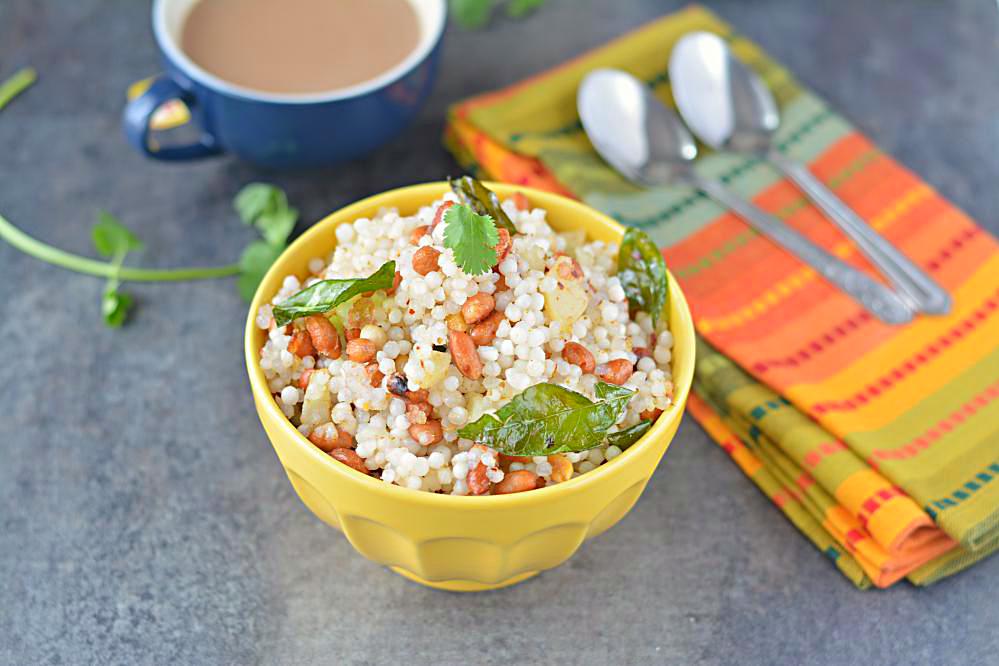

2. Combine high-carbohydrate foods like potatoes and sabudana(widely used in fasting) with other fibrous vegetables like spinach, cabbage, tomatoes, capsicum, bottle gourd, etc. Choose healthy options for cooking like baking, roasting, or grilling vegetables instead of deep-frying them. Fried foods add an extra burden on the stomach, and your focus is cleansing.
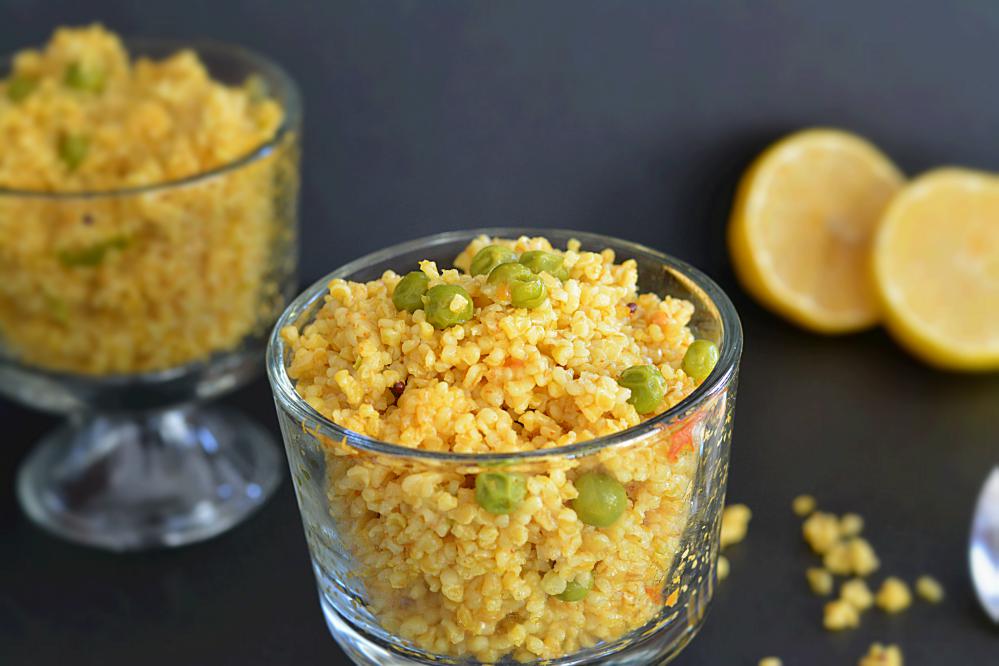
3. Choose healthier protein options. Amaranth is the best protein source you can include during fasting. Make amaranth porridge with milk or cook it as namkeen dalia with lots of vegetables. The most important health benefits of amaranth grain include its ability to spur growth and development, protect the heart, boost the immune system, strengthen bones, increase circulation, optimize digestion, lower your appetite, and keep your hair looking young.
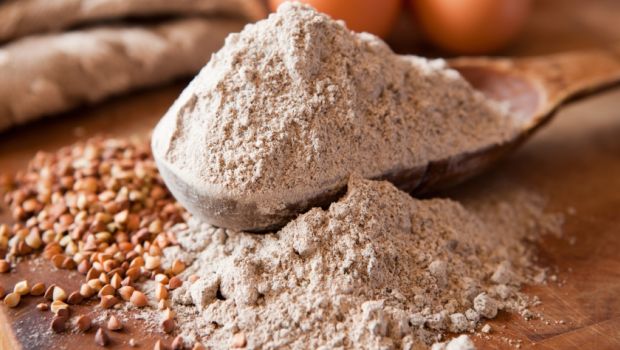

4. Buckwheat or commonly know as Kuttu contains good quality carbohydrate content (80%), protein, with 9 essential amino acids including lysine. It is a very rich source of iron, minerals, and vitamins, including copper, zinc, and niacin. And a very good source of antioxidants. Instead of puris, you can opt for chappatis.
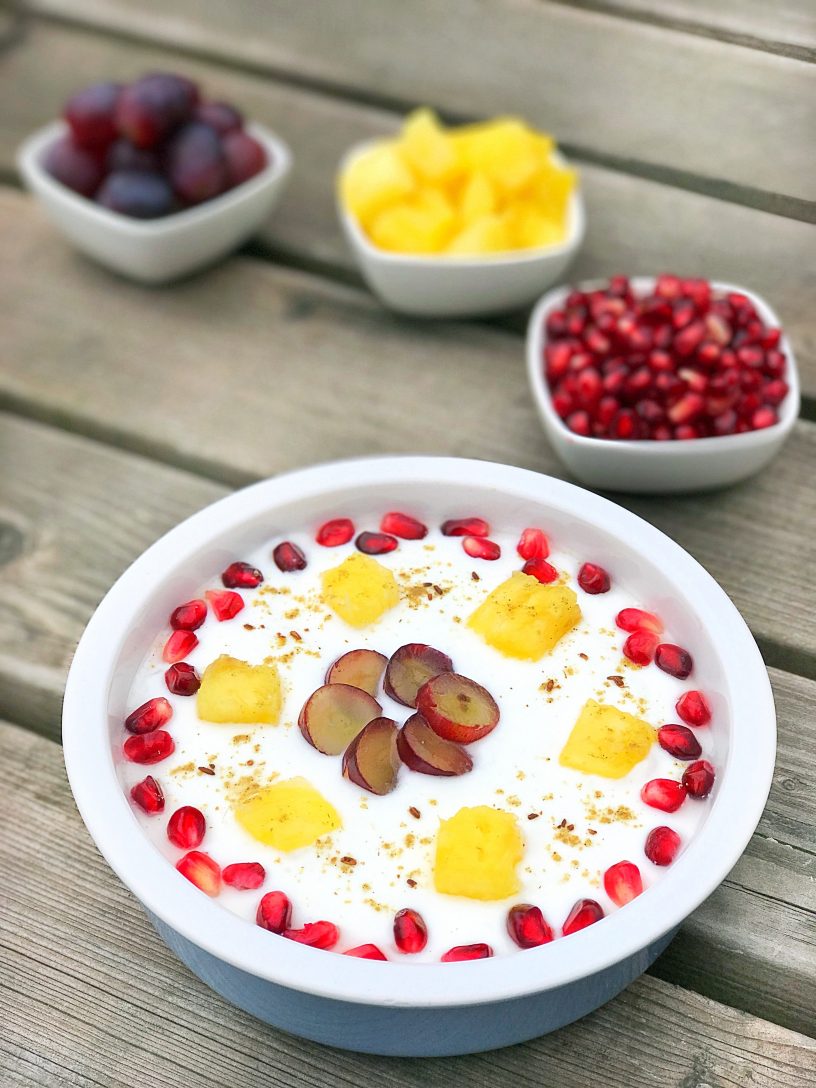

5. Curb Excessive sugar cravings by eating a lot of fruit raita, dates, apple kheer, and samak rice kheer.
6. Try to adopt healthy snacking and don’t binge on namkeen packets, as they are high in salt and fat content. Opt for roasted makhana, mix of nuts (almonds/raisins/walnut)/ baked chips, roasted peanuts, etc.)


7. Substitute sugar with jaggery or honey.
8. Use skimmed milk instead of full cream milk.
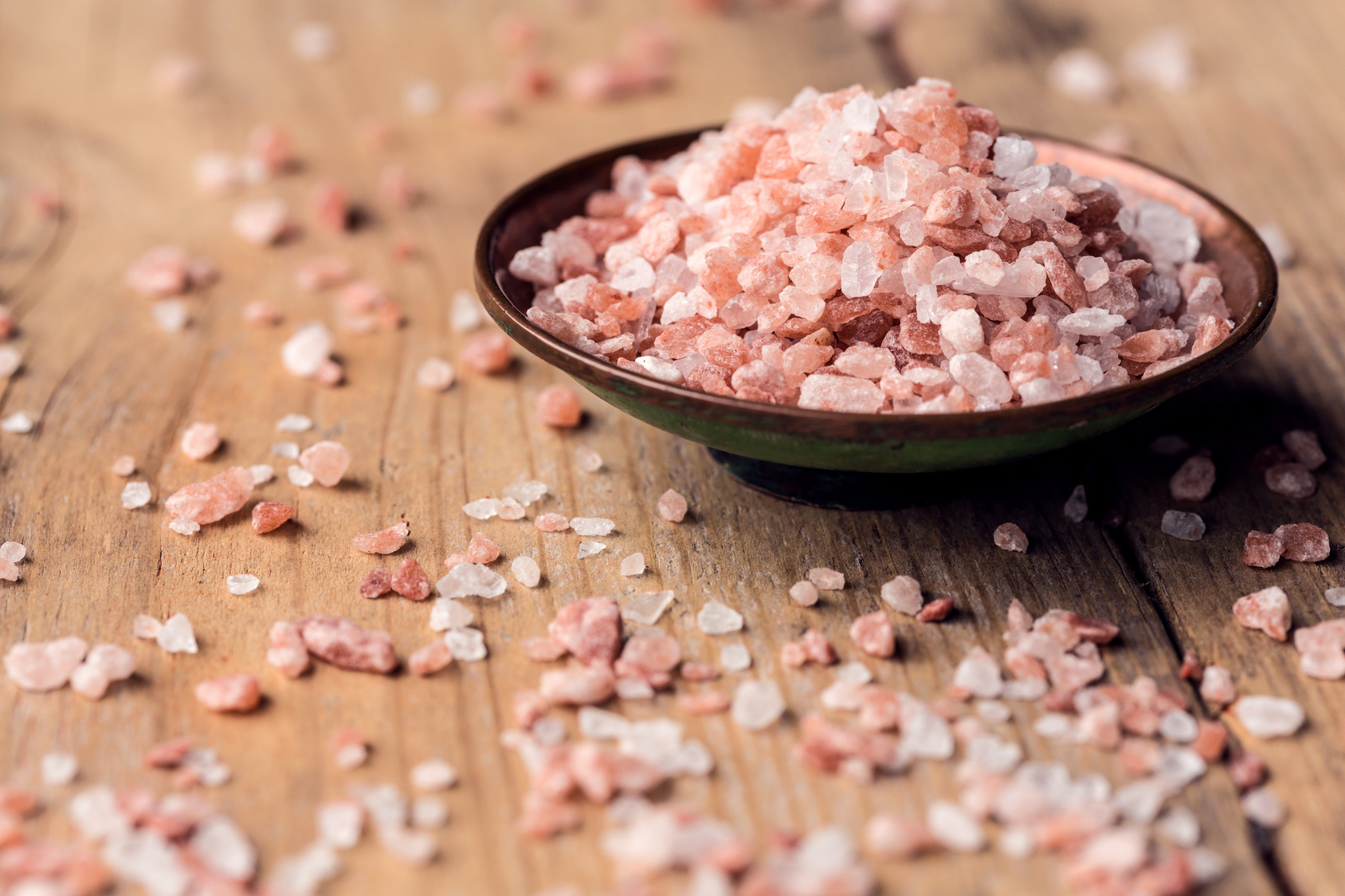

9. Rock salt (sendha namak), the only salt one can use during Navratri, is not just beneficial for your blood pressure but also helps in the absorption of minerals better than common salt. So, keep the quantity appropriate.
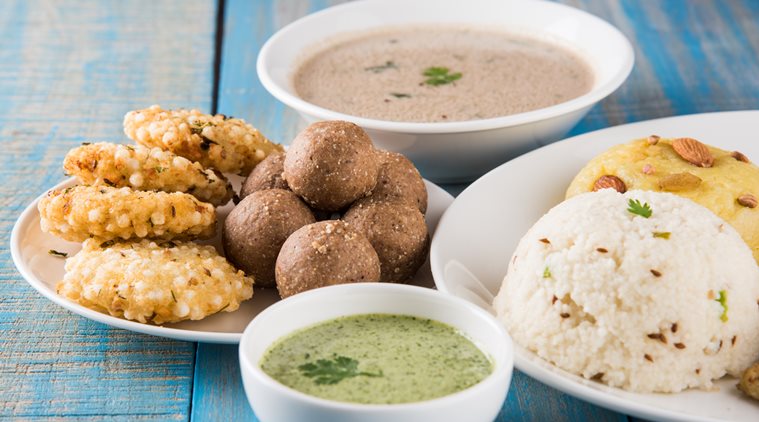

10. Navratri is not a time to overeat. Don’t go overboard with snacks. If your lunch is heavy, keep dinner light. Going for a green tea post dinner will give you the required relief.
Fasting and eating specific foods, helps to remove the accumulation of wastes and improves the functioning of the nerves, soothing them and bringing about relaxation and mental well being. Lets not let the age-old idea get hidden behind making Navratri a social event.