

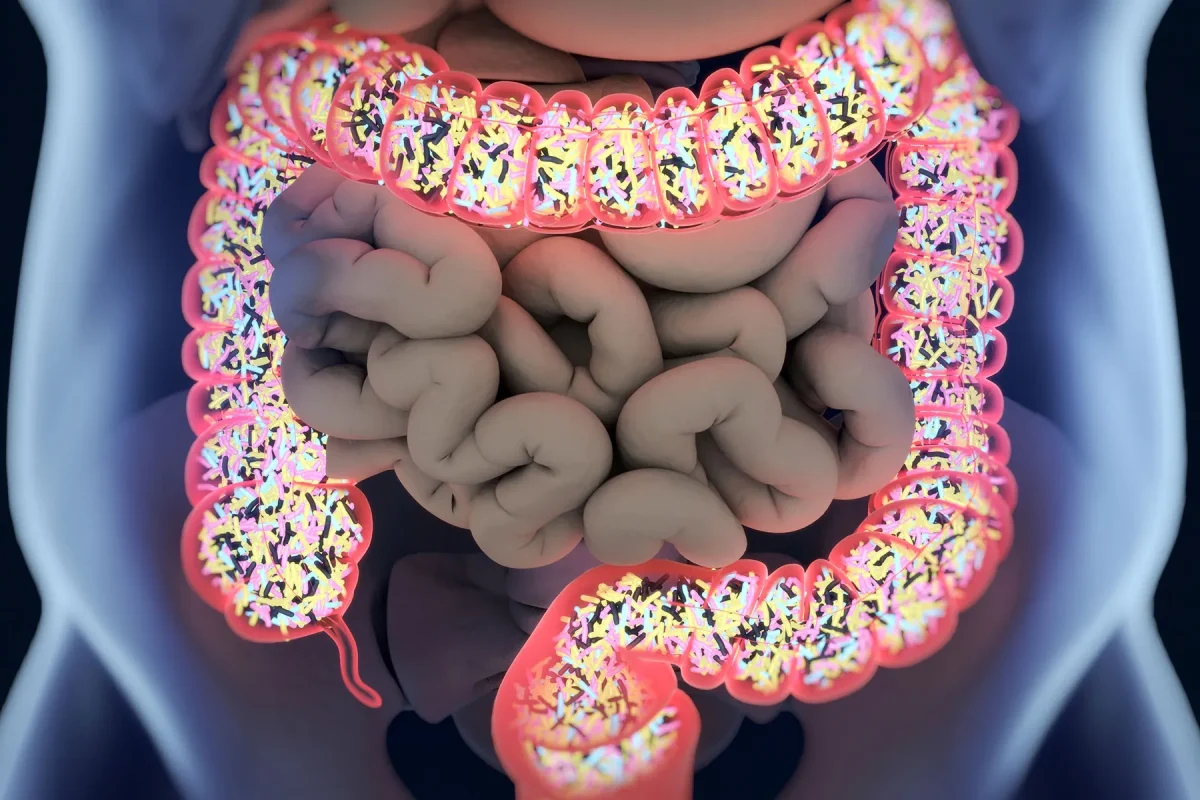

Gut bacteria may hold the key to stronger bones, according to a new study by researchers at AIIMS Delhi, which connects gut-produced molecules with reduced bone loss and a lower risk of osteoporosis. The team has identified deoxycholic acid (DCA), a bile acid produced by gut microbes, as a potential regulator of bone strength and inflammation, opening a fresh pathway for treating a disease that weakens millions of older adults worldwide.
In osteoporosis, bones become porous and fragile, increasing the risk of fractures even from minor falls, and the condition is already a major public health concern in India’s ageing population. The AIIMS study, published in Biomedicine & Pharmacotherapy, found that levels of secondary bile acids like DCA are significantly lower in people with osteoporosis and bone loss, while animal models showed that DCA supplementation improved bone density and structure, reduced inflammation, and helped restore a healthier gut microbiome.
Lead author Dr Rupesh K Srivastava of the Department of Biotechnology at AIIMS explained that DCA naturally forms when gut bacteria modify bile acids released from the liver, and that it acts on a “gut‑bone axis” by suppressing bone‑resorbing cells called osteoclasts and stimulating bone‑forming osteoblasts. In mice with inflammation‑driven bone damage, DCA not only slowed bone breakdown but also tightened the gut lining and rebalanced bacterial populations, which could translate into dual benefits for digestive and skeletal health if similar effects are confirmed in humans.
Although the work is so far limited to animal models and has not yet entered clinical trials, the researchers suggest two possible future strategies: direct DCA supplementation or therapies that boost the specific gut bacteria that produce it. Dr Srivastava cautioned that human studies are needed to establish safety and dosing, but the findings reinforce the idea that caring for the gut through diet, probiotics, and lifestyle may be as important for bone health as calcium intake and physical activity, potentially reshaping how osteoporosis is prevented and treated in the coming decade.
source: https://indiamedtoday.com/