

Between work deadlines, family demands, workouts, and endless notifications, many women end the day exhausted but wired. If you struggle to switch off, an ancient Ayurvedic ritual might help. Padabhyanga, the Ayurvedic foot massage, takes just ten minutes and fits easily into a busy fitness routine.

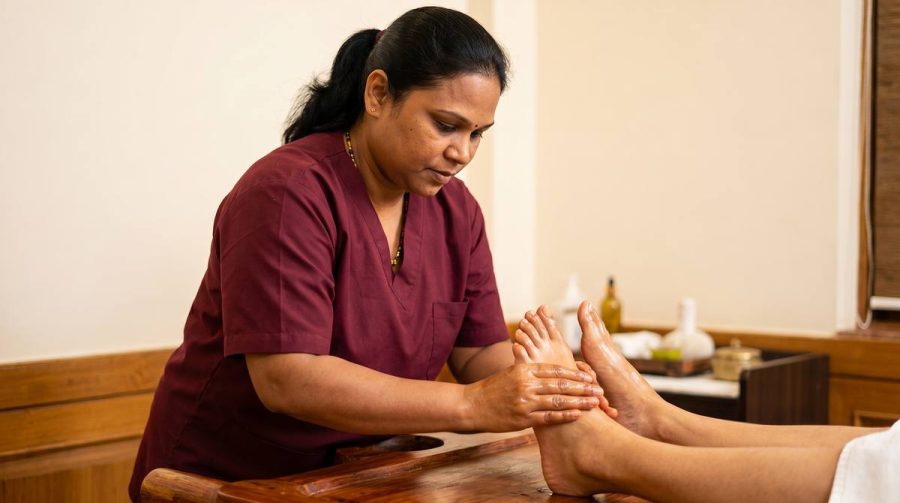
What Is Padabhyanga?
Padabhyanga comes from the Sanskrit words pada (foot) and abhyanga (oil massage). It involves massaging the feet with warm oil, traditionally before bed. Ayurveda considers the feet rich in marma points, sensitive areas connected to the rest of the body, which is why this simple practice is seen as whole-body care.
How It Helps With Stress
In Ayurveda, modern stress is often described as a Vata imbalance: too much speed, irregularity, and mental activity. Warm, grounding oil is believed to counter this, bringing calm and stability.
From a modern perspective, slow, rhythmic touch can activate the parasympathetic nervous system, the body’s “rest and digest” mode. Studies on foot massage suggest benefits for relaxation, anxiety, and sleep quality, although research on Padabhyanga specifically is limited.
Active Women Love It
If you run, lift, or practice yoga, your feet carry you through every session. A nightly massage can ease tired arches, tight calves, and sore ankles while giving your mind a screen-free pause. Think of it as recovery for both body and mind.
Celebrity nutritionist and author Munmun Ganeriwal includes Padabhyanga among the Ayurvedic habits she recommends for restoring the body’s natural rhythm. She suggests massaging the soles with a little warm ghee or coconut oil before bed as a relaxing part of a nighttime routine that helps you unwind. She pairs it with prioritizing sleep, regular meal times, morning daylight, and gentle walking, rather than strenuous workouts or extreme detoxes.
Doing Padabhyanga at Home

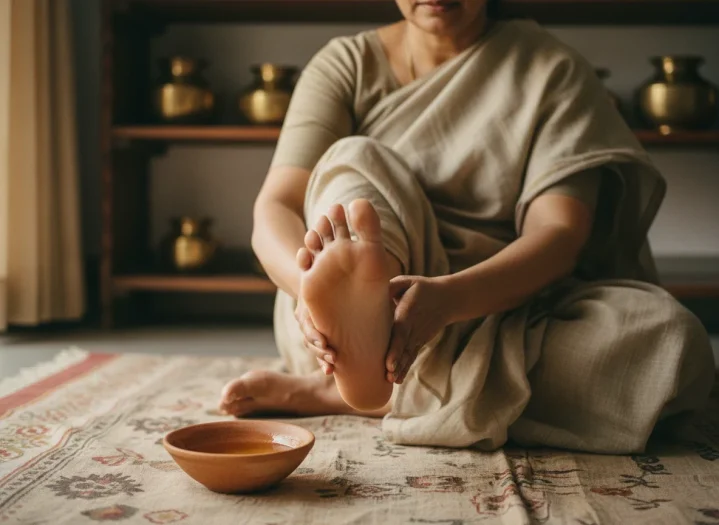
- Warm the oil. Place a small bowl of sesame oil in hot water until pleasantly warm. Use ghee or coconut oil if you tend to run hot.
- Sit comfortably and take five slow breaths, exhaling longer than you inhale.
- Massage one foot at a time (about four minutes each). Use long strokes from toes to ankle, firm thumb circles across the sole and heel, gentle toe pulls, and circles around the ankle.
- Press the center of the sole for 30 seconds to encourage a grounded, calming feeling.
- Wipe off excess oil or wear cotton socks to protect your sheets and avoid slipping.
Consistency matters more than duration. Attach Padabhyanga to an existing habit, like right after brushing your teeth. On rushed days, three minutes per foot still counts. The same scent and routine each night also signals your body that the day is over.
Pair It With Yoga

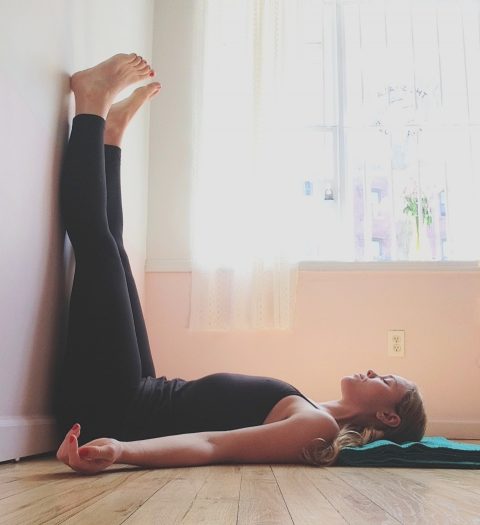
For a complete wind-down, combine your massage with:
- Viparita Karani (legs up the wall) for five minutes
- Supta Baddha Konasana (reclined bound angle) to release hips
- Bhramari or Nadi Shodhana breathing to quiet racing thoughts
Word of Caution
Skip Padabhyanga or check with your doctor first if you have diabetic neuropathy, open wounds, infections, fungal conditions, deep vein thrombosis, or fever. If you are pregnant, use gentle pressure only and consult your healthcare provider. Always wipe your feet well before walking.
Padabhyanga is not a cure for chronic stress, but it is a simple, affordable self-care habit that supports relaxation and better sleep.