

PMOS messes with your hormones, insulin, mood, and energy — and yoga gently nudges all of those in the right direction. It won’t “cure” it, but it can genuinely help you feel calmer, more balanced, and more at home in your body.


PCOS is officially called PMOS (Polyendocrine Metabolic Ovarian Syndrome). Turns out those “cysts” everyone talked about aren’t even real cysts — they’re just immature follicles. The new name reflects what doctors always knew: this affects your whole body, not just your ovaries. Same condition, smarter name.
PMOS Power Poses
Butterfly Pose (Baddha Konasana)
Soles of feet together, gentle flap, then hold. Boosts blood flow to your pelvis.
Hold for: 1–2 minutes, breathing slowly.
Why it works: Opens the hip and groin area, increasing blood flow to the pelvic region and ovaries.
Cobra Pose (Bhujangasana)
Lift your chest off the floor, hips grounded. Calms stress hormones — your PMOS’s biggest enemy.
Hold for: 15–30 seconds, breathing steadily, then lower down slowly.
Why it works: Gently massages and stimulates the ovaries and adrenal glands while opening the chest, which helps regulate stress hormones.
Bow Pose (Dhanurasana)

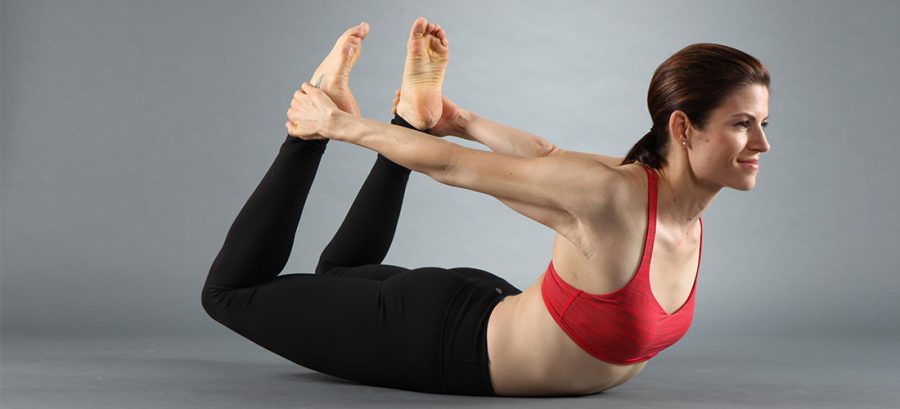
Grab your ankles, lift your chest and thighs. Wakes up your reproductive organs.
Hold for: 15–20 seconds, breathing evenly (this one’s intense — don’t force it).
Why it works: Compresses and then releases the abdominal organs, which can help stimulate the endocrine system as a whole.
Camel Pose (Ustrasana)
Open your chest to the sky. Gives your thyroid some love (it teams up with your reproductive hormones).
Hold for: 15–30 seconds, keeping your neck relaxed (don’t crank it back).
Why it works: The deep chest opening and slight neck extension stimulate the thyroid gland, a key player in hormone regulation.
Bridge Pose (Setu Bandhasana)
Lift your hips, breathe deep. Instant nervous-system chill button.
Hold for: 30 seconds to 1 minute, breathing deeply.
Why it works: A gentle inversion that calms the nervous system while stimulating the thyroid and abdominal organs.
Garland Pose (Malasana)


A deep squat, hands at heart center. Eases cramps and improves circulation down there.
Hold for: 30 seconds to 1 minute.
Why it works: Opens the hips and improves circulation to the pelvic area — great for easing period cramps too.
Reclining Butterfly
The cozy, restorative finisher. Support your knees with pillows and just breathe.
Hold for: 3–5 minutes — this is your reset button.
Why it works: Fully restorative; lets your nervous system downshift out of stress mode, which is huge for hormone balance.
Sun Salutations
A flowing sequence linking breath to movement — forward fold, plank, cobra, downward dog, repeat. Doing a few slow rounds warms up the whole body and gets circulation moving before your other poses.


Your 20-Minute Flow
- 3–5 easy Sun Salutations
- Butterfly → Cobra → Bow → Camel → Bridge
- Garland Pose
- Reclining Butterfly (breathe here for a while)
- Humming Bee Breath (Bhramari) — hum on your exhale; it’s weirdly soothing
- Shavasana — just lie there. This part counts too.
This isn’t about how your body looks. It’s about how it feels. PMOS can come with extra anxiety or body-image struggles, so let yoga be a place free from that pressure.
Note: Yoga isn’t a replacement for a doctor. It’s a great teammate to real medical care — bloodwork, a good doctor, maybe some diet or sleep tweaks too.