

By Dr PRABHAVATHI, Physiotherapist & Post-Pregnancy Fitness Coach


The postpartum period is often portrayed as a race to “get your body back.” Social media feeds are The Most Common Postpartum Fitness Mistakes and how to Avoid Them
The postpartum period is often portrayed as a race to “get your body back.” Social media feeds are filled with fitness challenges, transformation photos, and advice encouraging women to start exercising as soon as possible after childbirth. While returning to physical activity offers many benefits, approaching postpartum fitness without understanding the body’s healing process can delay recovery rather than accelerate it.
Pregnancy and childbirth bring remarkable physiological changes to the musculoskeletal, hormonal, and cardiovascular systems. Recovery is not simply about losing weight—it is about restoring function, strength, and confidence. Unfortunately, many women unknowingly make mistakes that can contribute to persistent pain, pelvic floor dysfunction, diastasis recti, or prolonged recovery.
Understanding these common mistakes is the first step toward building a safe and effective postpartum fitness journey.
1. Returning to Exercise Too Soon
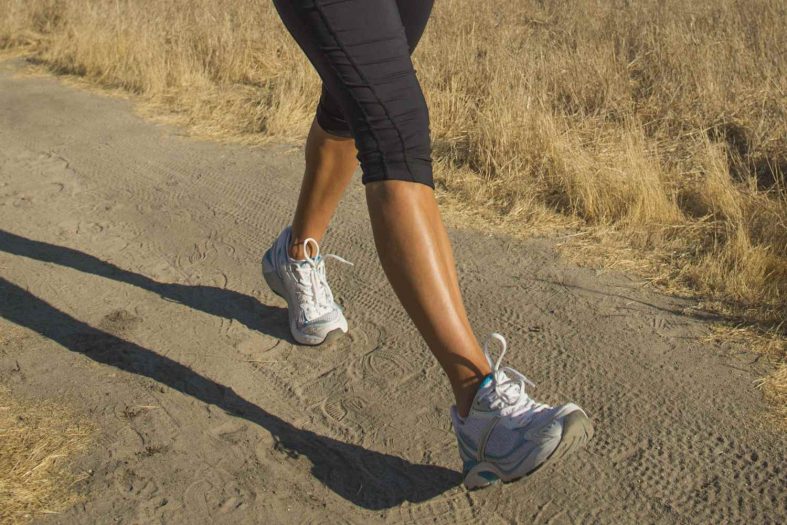
One of the most common mistakes is resuming high-intensity workouts before the body has adequately healed. Although some women feel physically capable within a few weeks after delivery, tissues affected by pregnancy and childbirth continue healing for several months.
Starting activities such as running, jumping, or heavy lifting too early may increase stress on healing muscles, connective tissues, and the pelvic floor.
Instead:
Begin with gentle walking, breathing exercises, and deep core activation. Progress is made gradually based on symptoms, strength, and functional recovery, rather than adhering to a fixed timeline.

2. Focusing Only on Weight Loss
Many women start exercising primarily to lose the weight gained during pregnancy. While body composition may improve with exercise, focusing exclusively on the scale often overlooks the body’s greater need for healing.
A body that has experienced pregnancy requires restoration of core stability, pelvic floor function, posture, and movement quality before pursuing aggressive fat loss.
Instead:
Prioritize rebuilding strength, endurance, and functional movement. Weight loss often becomes a natural consequence of improved overall health and consistent physical activity.
3. Ignoring Diastasis Recti


Diastasis recti, the separation of the abdominal muscles, affects a large proportion of women after pregnancy. Many unknowingly perform exercises that increase abdominal pressure and worsen the separation.
Exercises such as traditional sit-ups, crunches, or poorly controlled planks may not be appropriate during the early stages of recovery.
Instead:
Learn proper deep core activation and progressive strengthening strategies that promote abdominal function while minimizing excessive intra-abdominal pressure.
4. Neglecting the Pelvic Floor
The pelvic floor plays an essential role in supporting pelvic organs, maintaining continence, and stabilizing the core. Unfortunately, many postpartum exercise programs overlook this critical muscle group.
Symptoms such as urine leakage, pelvic heaviness, or discomfort should never be considered “normal.”
Instead:
Incorporate pelvic floor muscle training alongside breathing and core exercises. Seek professional assessment if symptoms persist.
5. Holding the Breath During Exercise
Many women unintentionally hold their breath while lifting, pushing, or performing abdominal exercises. This increases intra-abdominal pressure and places unnecessary strain on healing tissues.
Instead:
Coordinate breathing with movement. Exhaling during the effort phase helps distribute pressure more effectively and supports both the core and pelvic floor.
6. Doing Too Much, Too Soon
Motivation is valuable, but overtraining can slow recovery. Sleep deprivation, breastfeeding demands, hormonal fluctuations, and the physical demands of caring for a newborn all contribute to increased fatigue.
High training volumes without adequate recovery may elevate stress hormones, delay tissue repair, and increase injury risk.
Instead:
Focus on consistency rather than intensity. Short, well-designed exercise sessions performed regularly are often more beneficial than infrequent, exhausting workouts.

7. Ignoring Posture and Everyday Movements
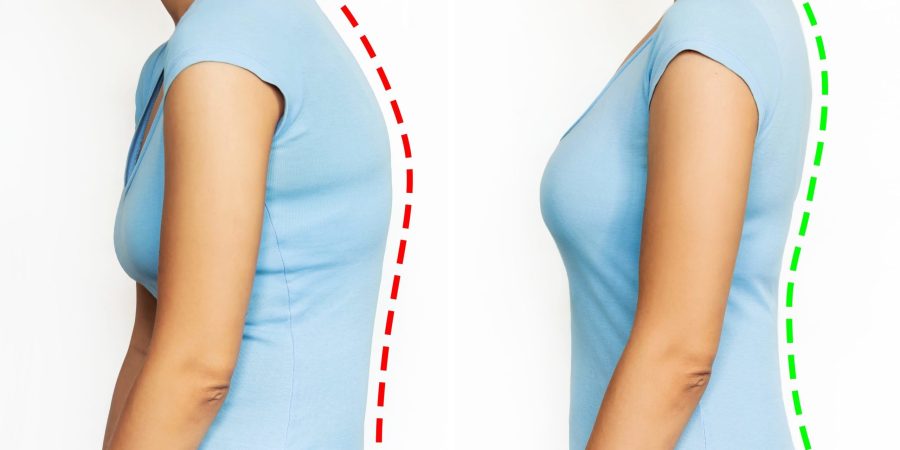
Exercise represents only a small portion of the day. Repeated lifting, feeding, carrying the baby, and prolonged sitting significantly influence recovery.
Poor posture can contribute to neck pain, back pain, shoulder discomfort, and ineffective core function.
Instead:
Practice ergonomic lifting techniques, maintain good posture during feeding, and include mobility exercises to counteract prolonged static positions.
8. Comparing Recovery with Others
Every pregnancy, delivery, and recovery journey is unique. Comparing progress with celebrities, influencers, or even friends often creates unrealistic expectations and unnecessary frustration.
Recovery depends on numerous factors, including delivery method, previous fitness level, hormonal status, sleep quality, nutrition, breastfeeding, and overall health.
Instead:
Measure progress by improvements in strength, function, energy levels, reduced pain, and confidence—not simply by appearance.

9. Underestimating the Role of Stress
Physical recovery cannot be separated from mental well-being. Chronic stress and elevated cortisol levels may influence sleep, energy, recovery, and overall health.
Many new mothers attempt to maintain demanding exercise routines while navigating sleep deprivation and the emotional adjustments of motherhood.
Instead:
Combine exercise with stress-management strategies such as adequate sleep whenever possible, mindful breathing, social support, relaxation techniques, and realistic expectations.
10. Not Seeking Professional Guidance
Many postpartum women rely solely on online workouts that may not consider individual needs or existing conditions.
Persistent abdominal separation, pelvic floor symptoms, pain, or uncertainty regarding safe progression should be assessed by healthcare professionals experienced in postpartum rehabilitation.
Early intervention often leads to better long-term outcomes.


Recovery Is More Than Fitness
Postpartum fitness is not about returning to the body you had before pregnancy—it is about building a body that functions well after one of life’s most demanding physical experiences.
A successful recovery focuses on restoring breathing mechanics, core stability, pelvic floor function, posture, mobility, and overall strength before advancing to higher-level exercise.
When healing becomes the priority, fitness naturally follows.
Women deserve postpartum care that emphasizes recovery rather than rushing toward unrealistic expectations. By avoiding these common mistakes and progressing thoughtfully, mothers can regain strength safely, reduce the risk of long-term complications, and enjoy a healthier, more confident return to physical activity.
Exercising as soon as possible after childbirth. While returning to physical activity offers many benefits, approaching postpartum fitness without understanding the body’s healing process can delay recovery rather than accelerate it.
About the Author
Dr Prabhavathi Durai is a Physiotherapist with 24 years of experience, including over 15 years of clinical experience, a Post-Pregnancy Fitness Coach, and an expert in Diastasis Recti rehabilitation for 5 years. She is the Director of Prabha Physio Care & Wellness Clinic, founder of The Unique Mom, and author of A Guide to Post-Pregnancy Care. She is dedicated to educating and supporting mothers through evidence-based, compassionate recovery programs.