

After a tearful meeting with Saina Nehwal, a young presenter ran to her mother and said, “Mama, I love badminton, but badminton hasn’t left me.” Kiara Kiran Shweta Powar had picked up a racket at eight and lived with Type 1 diabetes since she was two. Health challenges ended her playing career, but not her bond with sport.
Today, Kiara Powar is one of India’s youngest sports presenters, and she checks her blood sugar, takes her insulin, and wears her glucose sensor in plain view.

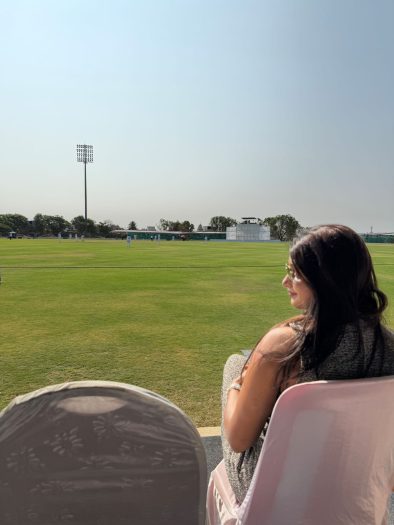
Sports Presenter Kiara Powar talks to Women Fitness about life on court, the myths she wants to end, and what she tells every girl who fears a diagnosis will limit her dreams.
“Your diagnosis is something you live with; it is not a prediction of what you can or cannot become.”
Wearing diabetes with pride
You say you wear your diabetes with pride. What does that mean to you?
It means making peace with something I once struggled to accept in public. Managing Type 1 diabetes was part of my everyday life: four insulin injections a day and constant blood sugar checks. But understanding the medical side is one thing; being comfortable with it in front of others is another.
As a child, I felt self-conscious taking an injection in public. I wondered whether I should find a private corner. My parents changed that. They taught me I had no reason to feel embarrassed about a condition I hadn’t chosen, and they encouraged me to check my sugar and take insulin openly and never hide my sensor. Today I don’t think twice about it. Looking after your health is an act of self-respect.
Life on court


What was your proudest moment on court?
I can’t pick one match. My greatest achievement is that I competed at a high level while living with Type 1 diabetes. I started at eight, and by eleven I was homeschooled because badminton had become so central to my life. Every session and tournament needed extra preparation. There were injuries, health complications, and real uncertainty, but I kept coming back because the court was where I felt most like myself.
How did you manage diabetes while training and competing?
My blood sugar could change a lot during a single session. Sometimes it would drop and leave me dizzy or drowsy, and sometimes rise unexpectedly. I also experienced confusional migraine attacks while playing. During one tournament, I became so disoriented that I could see what was happening around me but couldn’t process or respond to it. It was frightening.
Over time, I learnt that managing diabetes isn’t about perfect readings every day. It’s about understanding your body, recognising patterns and knowing when to slow down. A coach who understood my condition made a big difference. Sport taught me discipline; diabetes taught me to listen to my body.
Myths worth busting
What myths about diabetes and sport would you like to bust?
The biggest is that people with Type 1 diabetes can’t compete at the top level. Wasim Akram played international cricket with Type 1 diabetes, and athletes like Alexander Zverev and Sophie Devine show the same.
Another is that diabetes comes from eating too much sugar. Type 1 is an autoimmune condition in which the immune system attacks the pancreas’s insulin-producing cells. It isn’t caused by sweets or lifestyle. And diabetes has no look: you can’t tell who lives with it just by looking at them. People with diabetes don’t need sympathy or lowered expectations. They need awareness, access to care, and the chance to participate on equal terms.


When the dream changes shape
How did you move from playing sport to presenting it?
I hadn’t planned it. Stepping away from competitive badminton was painful, and for a while I couldn’t picture an identity outside it. Then one of my first major interviews was with Saina Nehwal. I met her and her mother afterwards, went back to my own mother in tears, and said, “Mama, I love badminton, but badminton hasn’t left me.” Everything the sport gave me was still part of who I am. It had just found a different expression.
Badminton taught me to be agile, to read my opponent, and to adapt in seconds. That helps on camera, along with preparation and staying composed when things go wrong. And I love telling stories, because every athlete’s journey goes beyond rankings and statistics.
What challenges have you faced as a young woman in sports media?
People often question my age and assume I lack the experience. I answer that with preparation: researching the person, understanding the sport, and approaching every assignment with curiosity. To young women entering this field: don’t wait until you feel ready by some imagined benchmark. You learn by doing, by asking questions and by showing up consistently.
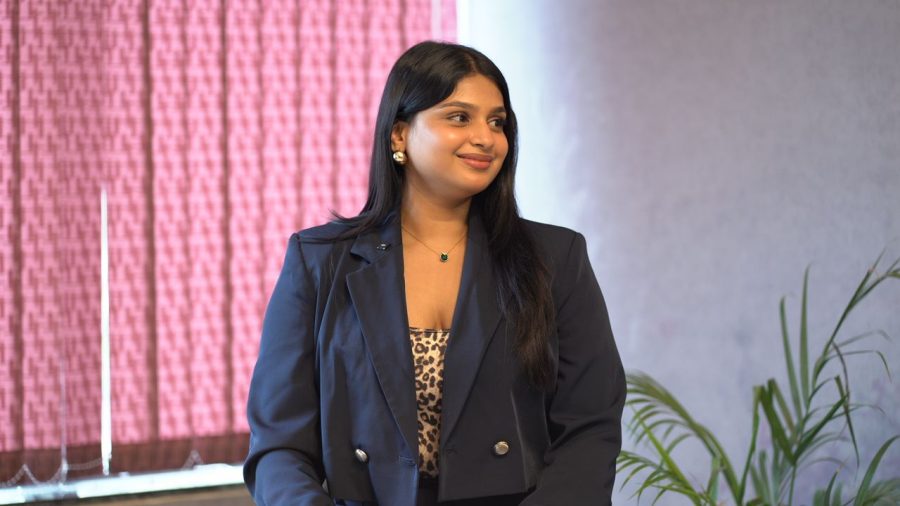
Kiara Powar on Staying fit and positive
How do you stay fit and balanced today, especially on tough days?
I box, do HIIT, play cricket and paddle, and return to badminton whenever I can. Living with Type 1 has taught me that consistency doesn’t mean doing the same thing every day. My glucose and energy fluctuate, so some days I train as usual and some days I adjust or rest. Knowing when to rest isn’t a failure of discipline. It’s part of taking responsibility for your health.
My family and my pets keep me grounded. I don’t think positivity means being cheerful all the time. It means accepting the ups and downs, allowing yourself to feel them and finding the motivation to begin again.
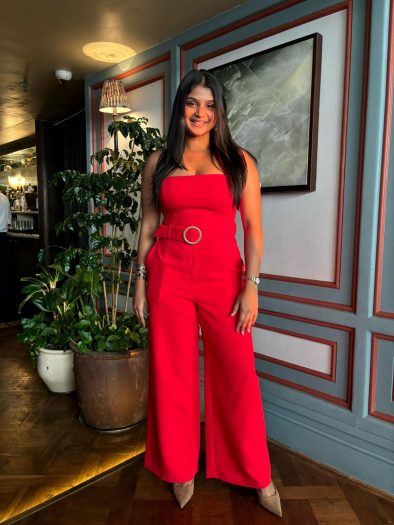
Her message to women
What would you tell a girl or woman newly diagnosed who fears it will limit her dreams?
First, that whatever she’s feeling is valid. A diagnosis can be overwhelming. There will be adjustments: more planning, more attention to your health, and some difficult days. But none of that diminishes your ambitions. Don’t go through it alone, and don’t start negotiating away your dreams before you’ve had the chance to pursue them.
What is your message to women who feel a health condition holds them back?
A health condition may be part of your circumstances, but it should never be your whole definition. I know what it’s like to have a dream interrupted. There was grief in leaving competitive badminton, and I don’t think we should rush past it. But sometimes you have to let go of one version of your future to make room for another, and that new version can be just as fulfilling, meaningful, and beautiful.
“Sometimes you have to let go of one version of your future to make room for another.” Kiara Powar.