

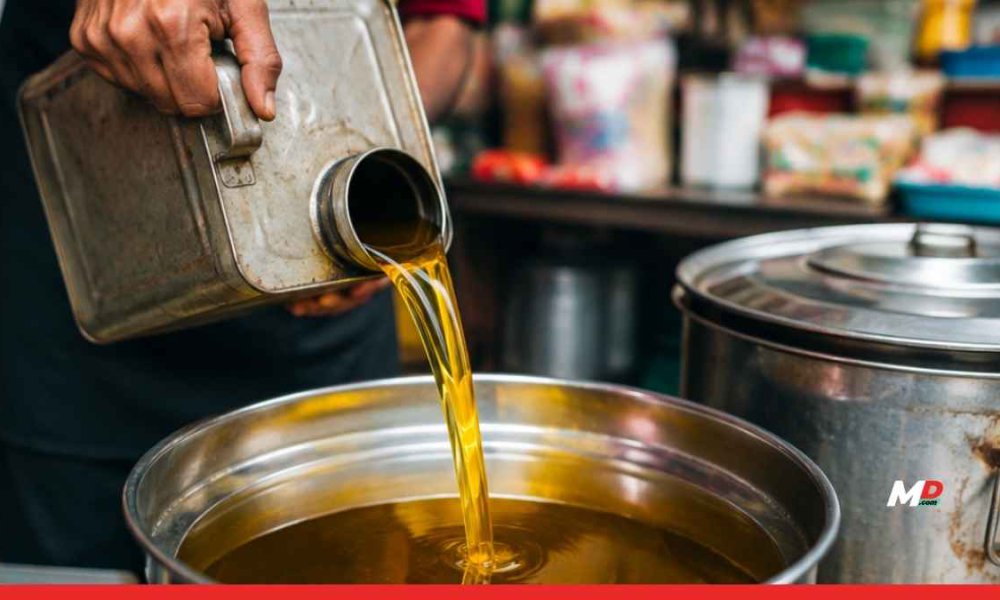

Public health authorities in Maharashtra have issued a critical warning regarding edible fats and culinary oils. Specifically, the state Food and Drug Administration has prohibited unsealed culinary fats, raising urgent concerns about the safety of loose edible oil across commercial and domestic kitchens. Regulatory inspections revealed severe adulteration, unauthorized blending, and degraded lipid quality across multiple supply chains. Consequently, healthcare providers must understand these risks to counsel patients effectively on dietary fat choices.
Regulatory Action and Surveillance Findings
The Maharashtra Food and Drug Administration recently launched an aggressive statewide inspection campaign targeting unsanitary culinary practices. During the fiscal period, food safety officers examined over 1,000 edible oil samples from various market distributors. Consequently, laboratory evaluations identified seventy-seven substandard samples and fifteen distinct misbranding violations across the region. Furthermore, law enforcement authorities seized more than three lakh kilograms of compromised stock valued in crores of rupees.
Regulators identified twelve recurring categories of severe non-compliance among market vendors. For example, unlicensed operations, dangerous acid values, and elevated trans-fat concentrations occurred frequently in commercial batches. In addition, vendors unlawfully blended premium mustard oil with cheap, non-permitted oils, directly violating national food standards. State authorities reiterated that selling loose edible oil remains strictly prohibited under the Food Safety and Standards Act. Therefore, retailers must reject unsealed containers and report non-compliant distributors immediately to regulatory enforcement teams.
Mechanisms of Contamination and Loose Edible Oil Safety
Maintaining the safety of loose edible oil is impossible when supply chains lack proper batch traceability and verified packaging. Unsealed containers completely lack manufacturing dates, analytical certifications, and tamper-evident closures. Consequently, unethical suppliers frequently introduce industrial-grade contaminants, non-edible lipid fractions, or cheap palm oil into culinary batches. Furthermore, inspectors discovered that several distributors transported edible cooking oils in tankers previously used for dangerous chemicals and hazardous industrial liquids.
Packaging integrity presents another grave challenge for public health and clinical nutrition. Many vendors reuse rusted, corroded metal drums and unwashed plastic containers to store cooking fats. Consequently, oxidative degradation accelerates rapidly when lipids encounter heavy metal residues, direct sunlight, and external moisture. Moreover, this secondary contamination triggers lipid peroxidation long before the product reaches the consumer. Therefore, healthcare professionals must emphasize that patients purchase only sealed, branded packages displaying transparent nutritional labels and regulatory certification numbers.
Thermal Degradation, Aldehydes, and Hepatorenal Risks
Beyond distribution malpractices, the repeated heating and thermal abuse of cooking fats create profound biochemical hazards. When commercial kitchens reheat vegetable oils multiple times, profound chemical changes alter the lipid structure. Specifically, thermal stress induces lipid peroxidation, forming cytotoxic aldehydes such as 4-hydroxy-2-nonenal and malondialdehyde. Furthermore, high cooking temperatures generate volatile organic compounds, polycyclic aromatic hydrocarbons, and elevated trans-fatty acid fractions within the culinary medium.
These thermal oxidation by-products exert substantial toxic effects on vital physiological systems. When ingested, reactive aldehydes cross intestinal membranes and induce severe systemic oxidative stress. Consequently, the liver faces substantial metabolic strain as hepatocytes attempt to metabolize and detoxify lipid peroxides. Over time, chronic exposure accelerates non-alcoholic steatohepatitis, hepatic fibrosis, and mitochondrial dysfunction. Similarly, renal tissues suffer oxidative injury, impairing glomerular filtration and increasing inflammatory biomarkers. Therefore, consuming thermally abused fats poses direct threats to both hepatic and renal metabolic pathways.
Cardiovascular and Oncological Implications
The regular ingestion of adulterated or repeatedly heated fats accelerates atherogenesis and cardiovascular morbidity. Specifically, industrial trans fats and oxidized lipid moieties elevate low-density lipoprotein cholesterol while simultaneously lowering protective high-density lipoproteins. Furthermore, degraded lipid peroxides promote endothelial dysfunction and vascular inflammation across coronary and cerebral arterial beds. As a result, patients facing chronic exposure display heightened risks of premature coronary artery disease, arterial hypertension, and stroke.
In addition to cardiovascular damage, thermal degradation products carry verified mutagenic and oncogenic properties. Reactive oxygen species and lipid peroxidation products interact directly with cellular deoxyribonucleic acid, causing oxidative strand breaks. Furthermore, repeated exposure to carcinogenic aldehydes initiates inflammatory pathways associated with gastrointestinal malignancies. For example, clinical studies link degraded cooking fats to elevated incidence rates of colorectal, gastric, and esophageal carcinomas. Consequently, clinicians must evaluate dietary oil consumption when assessing chronic non-communicable disease risk profiles in diverse patient populations.
Clinical Advisory and Dietary Counseling Strategies
Physicians, dietitians, and primary care practitioners play an essential role in mitigating dietary lipid hazards. During routine metabolic assessments, clinicians should actively screen patients for dietary fat sources and street-food consumption patterns. Furthermore, healthcare teams must educate families regarding safe culinary techniques and storage practices. Specifically, households should never reheat deep-frying oil multiple times or store leftover oil in unsealed containers.
Clinicians should advise consumers to verify tamper-evident packaging, FSSAI licensing marks, and clear batch numbers before purchasing oils. Additionally, patients should rotate stable cooking oils like groundnut, mustard, sunflower, and rice bran oils based on appropriate smoke points. Moreover, food business operators must adhere strictly to total polar compound limits, discarding frying oils that exceed regulatory thresholds. By championing regulatory compliance and evidence-based nutrition education, medical professionals can significantly reduce preventable lifestyle diseases across the community.
Source: https://www.omnicuris.com/